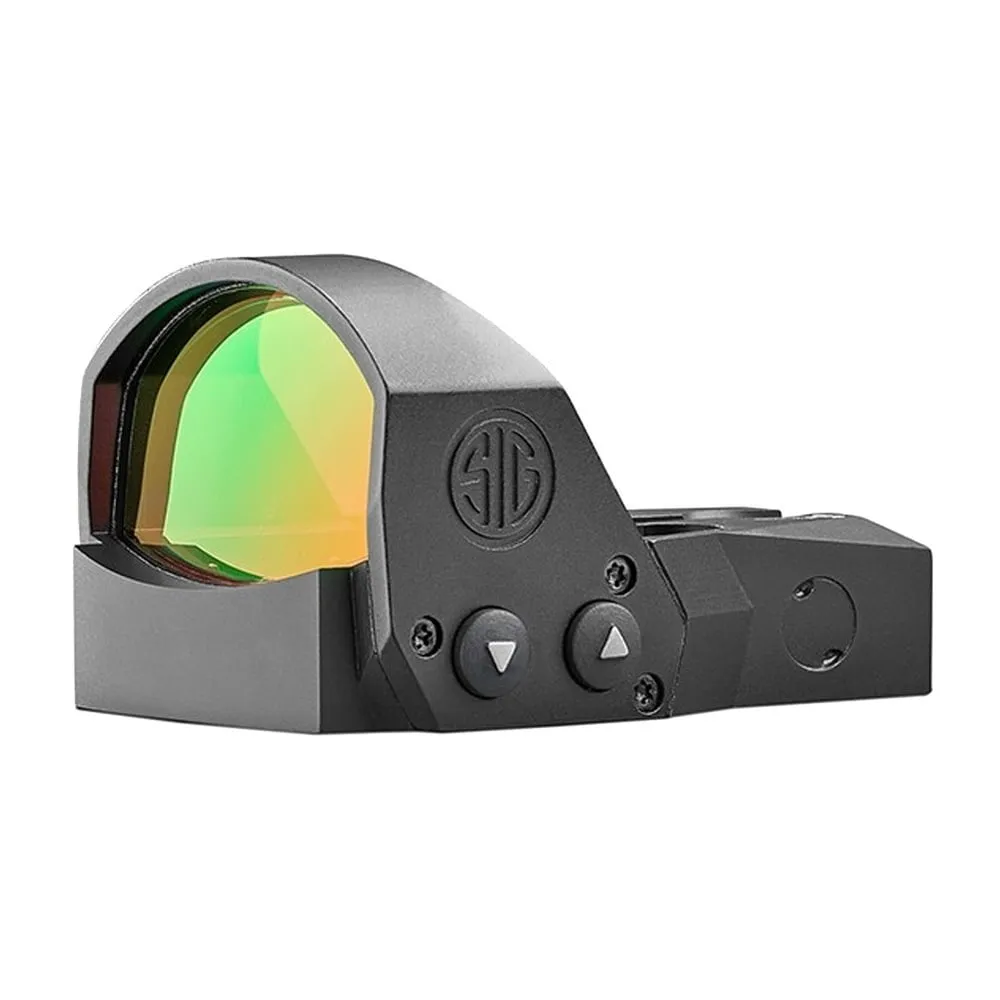
Looking for a pistol red dot that fixes the reliability complaints that dogged its predecessor? The Sig Sauer Romeo1 Pro is Sig’s redesigned follow-up to the original Romeo1, built with a tougher housing and the same core feature set that made the first Romeo1 a popular budget-to-mid-tier pistol dot.
In this review, we cover the housing, the reticle and brightness system, how the sight powers itself on and off, and how it mounts to your slide. We also pull together what forum owners and independent reviewers have reported about long-term reliability, since that is the question anyone considering the Romeo1 Pro over its predecessor is really asking.
Sig Sauer Romeo1 Pro Review
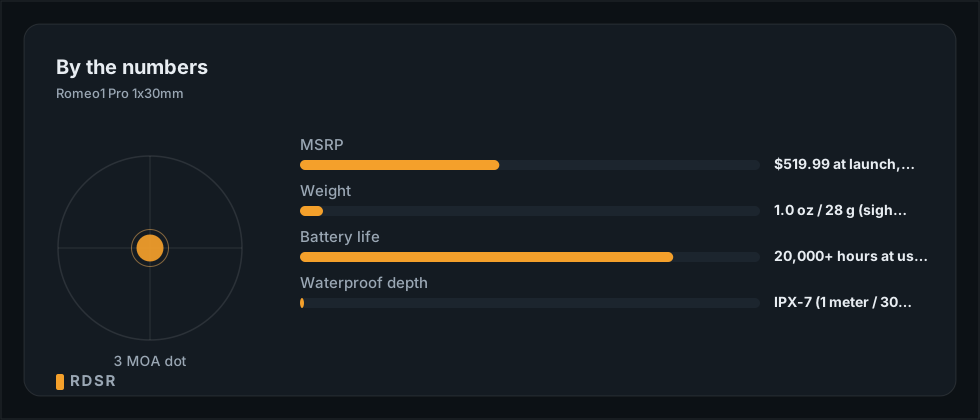
The Sig Sauer Romeo1 Pro is an open-emitter miniature reflex sight (MRDS) that weighs 1.0 oz (28 g) without its battery. It runs a single 3 MOA or 6 MOA red dot, depending on which SKU you buy, from one top-loading A 3-volt lithium coin cell, 16mm across, holding about 120 to 140 mAh. It powers many micro and subcompact pistol optics that trade runtime for a smaller footprint.Full comparison → battery, with a manufacturer-claimed 20,000-plus hours of runtime at usable brightness. Twelve illumination settings (10 daylight, 2 night vision) cover everything from a bright range day to low light under night vision gear. The sight is IPX-7 rated for one-meter, 30-minute submersion. It launched at a $519.99 list price, though that figure has come down since and the Romeo1 Pro now routinely sells under $400.
Sig built the Pro as a direct response to complaints about the original Romeo1’s magnesium housing and occasional MOTAC wake-up problems. The Pro swaps in an aircraft-grade CNC aluminum body and adds an optional stainless steel shroud, while keeping the TruHold lockless zeroing system and MOTAC shake-awake power management that defined the original.
Top Features of the Sig Sauer Romeo1 Pro
Design
The headline change from the original Romeo1 is the housing. The Romeo1 Pro uses an aircraft-grade CNC aluminum body, and on SKUs that include it, a stainless steel shroud wraps around the emitter and lens for extra protection. Sig’s own manual notes the shroud is not included with every SKU, commercial RXP-pistol bundles ship without it, so check what you are actually buying.
That redesign matters because the original Romeo1’s magnesium housing had a documented pattern of failures from ordinary bumps and holster wear. One long-term reviewer described the steel-shrouded Pro as offering “almost bullet-proof” protection from normal carry abuse, though that is a subjective carry impression rather than a controlled drop test, and no independent torture test of the Romeo1 Pro’s housing specifically has been published.
The sight also carries an IPX-7 water resistance rating, good for one meter of submersion for 30 minutes, and Sig lists it as fogproof. That is a manufacturer claim; no independent submersion test of the Romeo1 Pro specifically was found during research.
Reticle
The Romeo1 Pro is sold with either a 3 MOA or a 6 MOA red dot. The 3 MOA option is the more common competition and precision-carry choice, while the 6 MOA dot trades some precision for a faster index at close range.
Twelve brightness settings give you the range to work with: 10 daylight settings that scale up for use against snow or bright sky, and 2 night-vision-compatible settings for use with image intensifiers. Windage and elevation adjust in 1 MOA clicks across a total range of plus or minus 50 MOA in each direction.
Operation
Sig’s MOTAC (Motion Activated Illumination System) handles power management automatically. After about two minutes without motion, the sight powers itself down; any movement of the pistol brings it back on at the last brightness setting used. You can also disable MOTAC and run the sight fully manual if you prefer, though Sig’s manual notes that battery life drops meaningfully if you leave the dot permanently on.
One reviewer verified MOTAC’s wake-up behavior with a stopwatch and reported it “worked every time” in that test. That said, the original Romeo1 generation had a recurring MOTAC failure pattern where the sight would not auto-wake, including at least one unit that came back from a factory inspection marked “no trouble found” while still not working. A SigTalk forum post describes a similar failure-to-wake symptom, though the thread does not clearly specify whether the affected unit was a Romeo1 or a Romeo1 Pro. Other posters in that same thread attributed the issue to an under-torqued battery cap or mounting screws rather than a MOTAC defect, and reported it resolved with a proper inch-pound torque wrench and a fresh battery.
Despite the 20,000-plus-hour claimed battery life, both a professional reviewer and multiple forum owners report replacing the battery on a fixed schedule anyway, roughly yearly per one reviewer and about every six months per several SigTalk posters, rather than relying on the claim alone. The battery cap itself should also be checked periodically: Sig’s manual specifies a 10-12 in-lb torque spec and recommends verifying it about every 500 rounds, since an under-torqued cap can loosen under recoil and cause intermittent power loss.
Reliability standing
Sig Sauer Romeo1 Pro 1x30mm
Medium confidence based on 10 sources, 7 first-hand.
- Rounds tested
- ~3,000 rounds (individual owner unit, not a controlled test)
- Battery
- CR1632 (top-loading): 20,000+ hours on one setting
What those test was
- water submersion (IPX 7, 1m/30min): pass with caveat . Manufacturer-claimed rating; no independent third-party submersion test of the Romeo1 Pro specifically was found.
Aggregated from others' first-hand testing, not our own: this standing deliberately reaches past any one shooter's round count. We surface a sourced reputation tier rather than inventing a score the evidence cannot support.
Full reliability data →Mounting
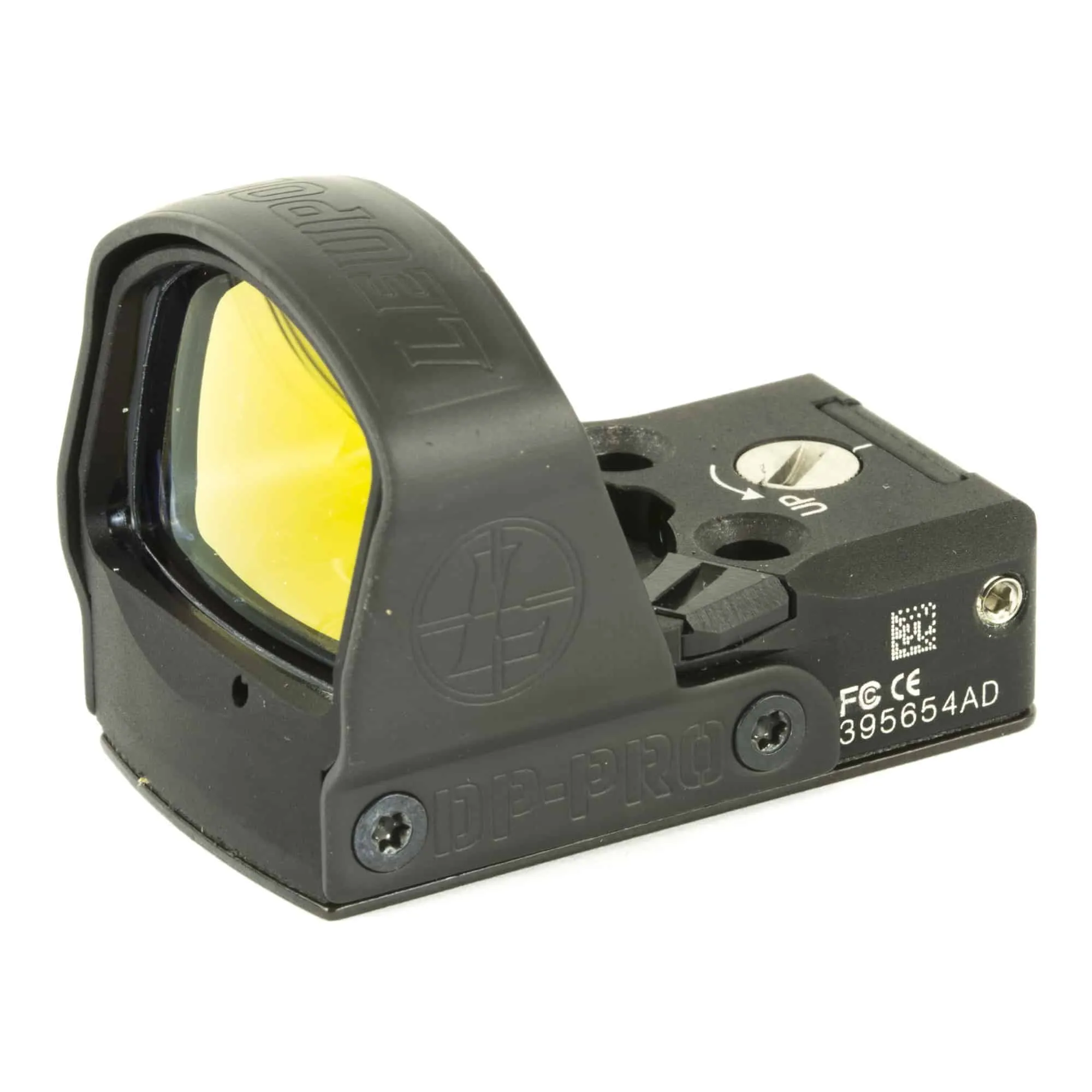
The Romeo1 Pro mounts directly to Sig’s PRO optic slide cut using two M4x0.7 Torx screws, torqued to 28-30 in-lbs per the operator’s manual, with no separate mounting plate needed on a slide already cut for it. That footprint is shared with the Leupold DeltaPoint Pro and the Shield RMS/SMS pattern, not the more widely available Trijicon RMR footprint, so shooters coming from an RMR-cut slide will need to confirm plate compatibility before buying.
Sig recommends re-checking mounting screw torque approximately every 500 rounds, or any time the optic is removed and reinstalled, since proper torque is what keeps the zero from shifting under recoil.
Details
Included with your purchase (contents vary slightly by SKU):
- Sig Sauer Romeo1 Pro 1x30mm sight
- CR1632 battery
- M4x0.7 Torx head screws (2)
- Stainless steel shroud (not included with all SKUs)
- Sight cover (not included with all SKUs)
- All-in-one keychain tool (battery cover bit, windage/elevation adjustment bit, spare battery storage compartment)
- Torx wrench
- Lens cloth (not included with commercial RXP pistol bundles)
- Operator’s manual
Warranty
The Romeo1 Pro is covered by the Sig Sauer Electro-Optics Infinite Guarantee, an unlimited, transferable lifetime warranty on the housing and glass that requires no warranty card or receipt. Electronic components are carved out of that lifetime coverage and instead fall under Sig’s separate Electronic Component Limited 5-Year Warranty, so the parts that actually power the dot are covered for five years, not for life.
Warranty standing
Sig Sauer warranty
Lifetime housing, 5-yr electronics, transferable
- Housing
- Lifetime
- Electronics
- 5 yrs
- Transferable
- Yes
- Receipt required
- No
- Registration
- No
- Support
- active
Warranty applies to COMMERCIAL customers only and does NOT apply to government, military, law enforcement, or non-US customers (verbatim from the official operator's manual). Non-US commercial customers must purchase through an authorized SIG SAUER dealer within their country of residence for the warranty to apply.
Customer Feedback
Independent, controlled testing of the Romeo1 Pro specifically is limited, so the picture below leans on firsthand reviewer accounts and forum reports rather than a large sample of verified retailer ratings.
Long-term durability: In a SigTalk long-term-review thread, one owner reports roughly 3,000 rounds through a Romeo1 Pro mounted on a CZ pistol with no failures, an informal owner tally rather than a controlled round-count test. A competition shooter in the same thread reports running a 3 MOA Romeo1 Pro across USPSA, IDPA, SCSA, and Carry Gun matches without issue.
Zero retention: Multiple owners in that same thread describe the sight rarely needing to be re-zeroed across thousands of rounds of carry and competition use, consistent with Sig’s TruHold zeroing claims, though again this is informal owner reporting rather than instrumented testing.
Housing toughness: Reviewers who carried the Pro describe the steel-shrouded housing as a clear step up from the original Romeo1’s magnesium body, which had a recognized pattern of housing and battery-contact problems. Whether infant-mortality or long-term failure rates actually improved for the Pro specifically has not been quantified in any source found.
Documented weak points: A forum report describes an emitter that would not power back on after sitting idle for a week or two, later resolved by re-torquing the mounting hardware and replacing the battery. Some owners also choose to replace the CR1632 battery well ahead of Sig’s 20,000-hour claim, on a roughly six-month to annual cycle, as cheap insurance rather than because the battery had actually failed.
Pros & Cons
Pros
- Aircraft-grade CNC aluminum housing plus an optional stainless steel shroud, a direct response to the original Romeo1's magnesium-housing complaints
- TruHold lockless zeroing system uses twin adjustment springs designed to return to zero shot after shot, with no owner input required
- MOTAC shake-awake power management powers the dot down after about two minutes of no motion and wakes it instantly when the gun moves
- Top-loading CR1632 battery tray lets you swap the battery without removing the sight from the slide or disturbing zero
- IPX-7 rated for one-meter, 30-minute submersion and fogproof performance
- Available in 3 MOA or 6 MOA dot sizes so you can pick speed or precision
- Backed by Sig's Electro-Optics Infinite Guarantee on the housing and glass, plus a 5-year warranty on the electronics
Cons
- The stainless steel shroud, sight cover, and lens cloth are not included with every SKU, commercial RXP-pistol bundles ship without them
- Uses Sig's PRO optic slide cut rather than the more widely available RMR footprint, so confirm mounting plate compatibility before buying
- A SigTalk owner reported an emitter that would not wake from sleep after sitting idle, other posters traced that failure pattern to an under-torqued battery cap or mounting screws rather than a defect, but it means the hardware needs periodic torque checks
Conclusion
The Sig Sauer Romeo1 Pro reads as a genuine reliability-focused redesign of the original Romeo1, not just a cosmetic refresh. The CNC aluminum housing, optional steel shroud, top-loading battery, and MOTAC shake-awake system add up to a sight built to answer the specific complaints that dogged its predecessor. The available evidence, thin as it is, points in a positive direction: forum owners report thousands of trouble-free rounds and reliable zero retention, and the one documented failure-to-wake report was traced by other owners to a torque issue rather than a hardware defect.
What is missing is an independent torture test of the Romeo1 Pro itself, so treat the reliability story here as plausible rather than proven. If your pistol already has a factory PRO optic cut, or you are comfortable sourcing a DeltaPoint Pro-pattern mounting plate, the Romeo1 Pro is a reasonable pick for carry or competition use.
Alternative Sight Options
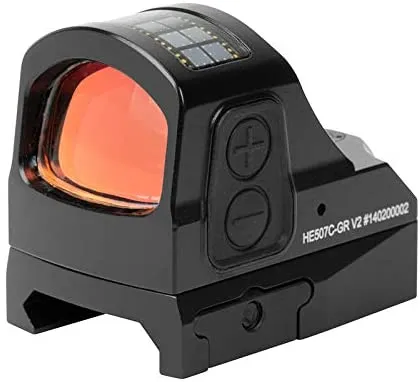
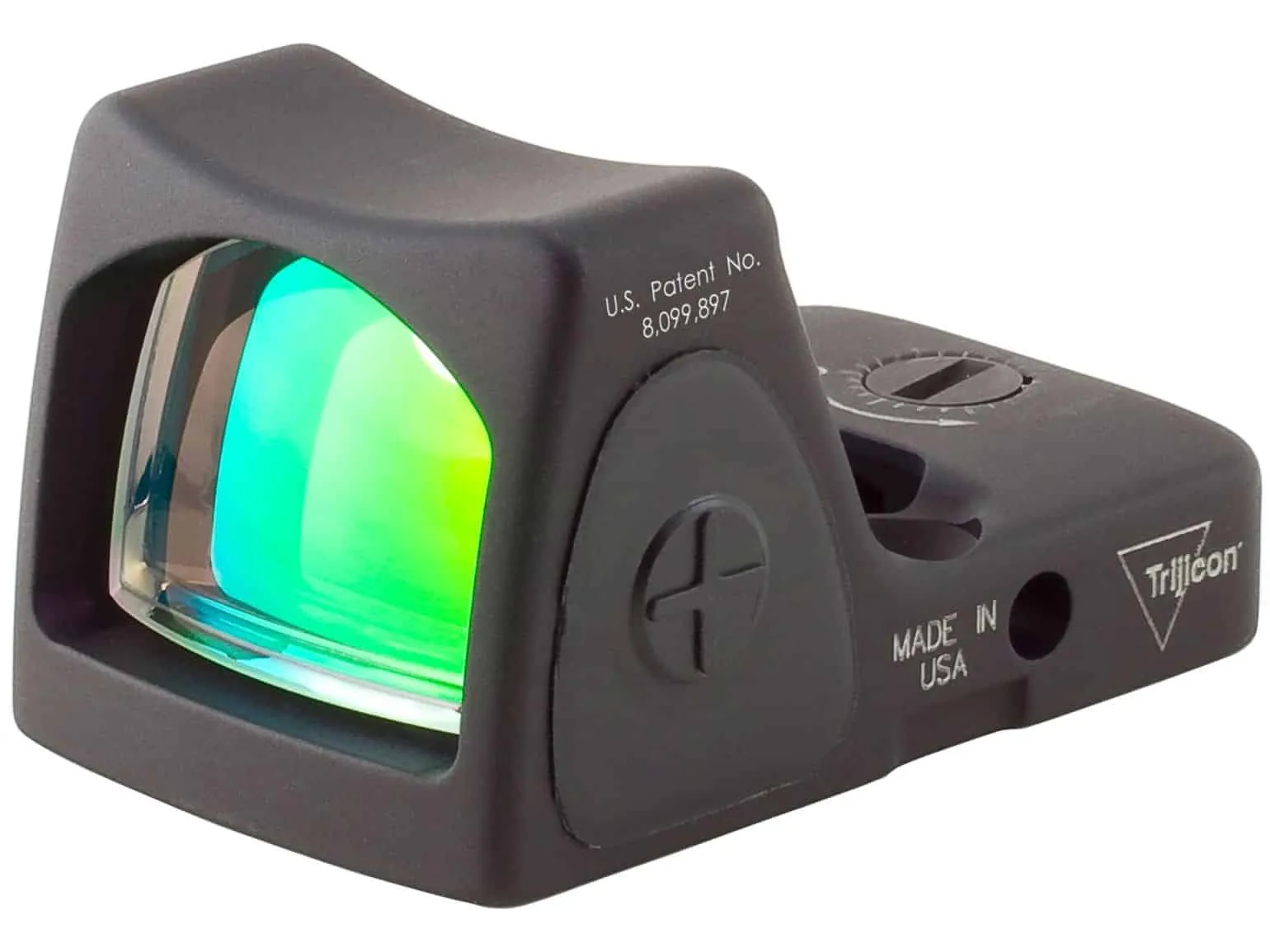
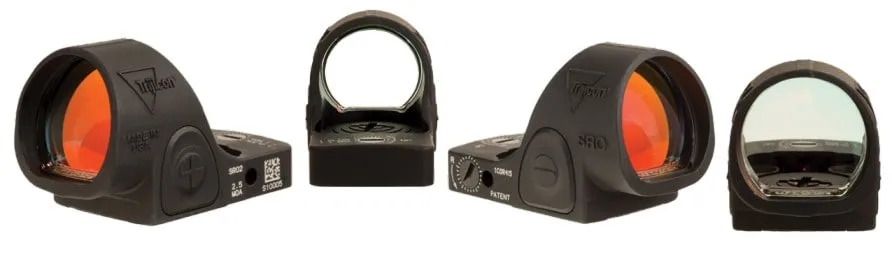
If you want the exact same mounting footprint with a longer independent testing history, the Leupold DeltaPoint Pro shares the Romeo1 Pro’s slide-cut pattern and is a direct drop-in alternative. Shooters who would rather run the more widely available RMR footprint have several strong open-emitter options in this corpus: the Holosun 507C brings a Multiple Reticle System and Solar Failsafe backup at a similar mid-to-premium price point, the Trijicon RMR remains the established gold standard for open-emitter pistol dots, and the Trijicon SRO trades some of the RMR’s compact footprint for a larger viewing window if faster target acquisition matters more to you than a small package. All four are open-emitter reflex sights like the Romeo1 Pro, so none of them ask you to give up the fast target pickup of an open window the way an enclosed-emitter design would.