Looking for a competition pistol dot that mounts without an adapter plate and gives you a big window to find the dot in a hurry? The Sig Sauer Romeo3 Max Pro was Sig’s dedicated competition variant of the Romeo3 Max line, built with input from Team SIG captain and multi-time World Speed Shooting champion Max Michel, and designed around the widely adopted DeltaPoint Pro footprint.
This review walks through the housing, the reticle options, how the sight operates day to day, and how it mounts. It also covers the thing anybody shopping this optic runs into first: the sight disappeared from the market after its initial production run and came back under a different name. We lay out what is actually documented about that and what is not.
Sig Sauer Romeo3 Max Pro Review
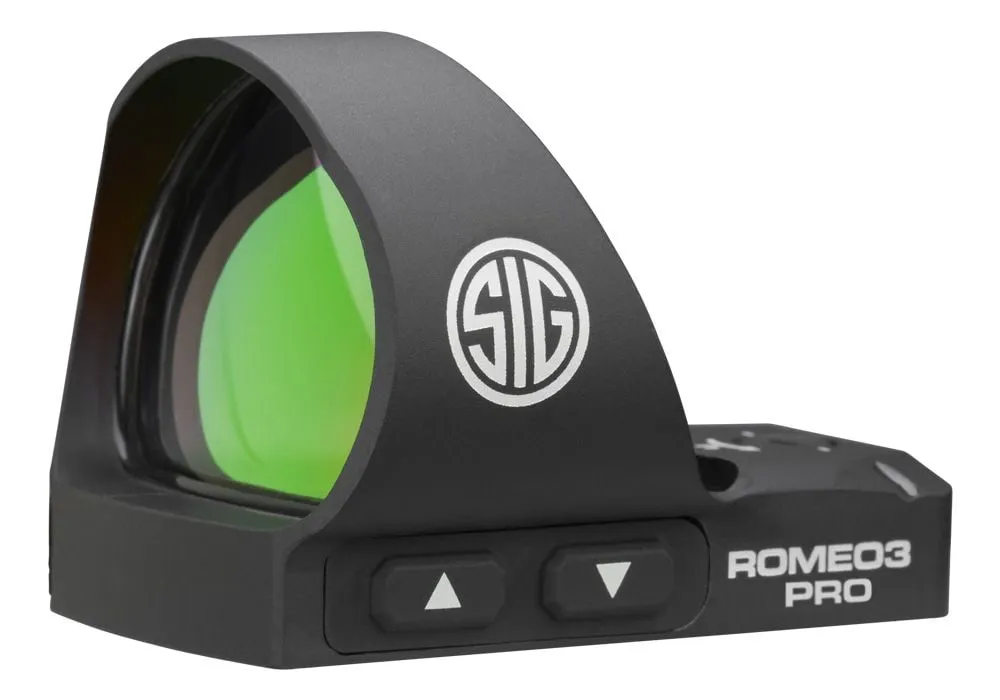
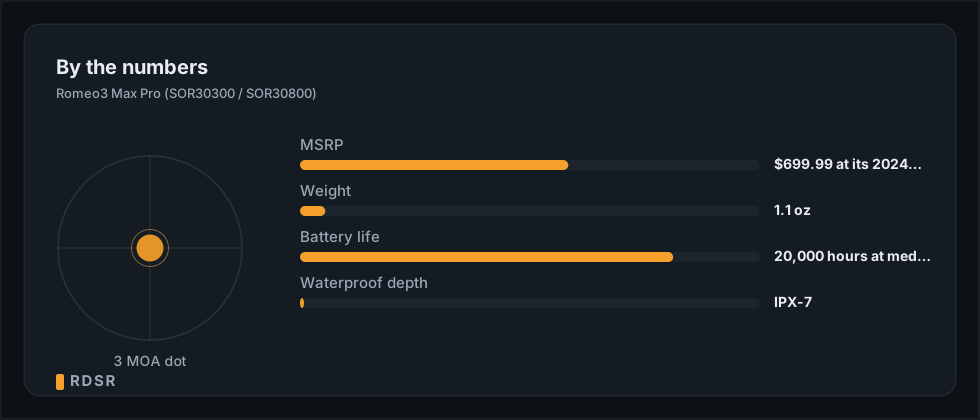
The Romeo3 Max Pro is an open reflex sight measuring 1.83 inches long, 1.31 inches tall and 1.35 inches wide, weighing 1.1 ounces. It ships in two versions built around the same body: the SOR30300 with a 3 MOA dot for precision work, and the SOR30800 with an 8 MOA dot for faster acquisition. Both run on a single A 3-volt lithium coin cell, 16mm across, holding about 120 to 140 mAh. It powers many micro and subcompact pistol optics that trade runtime for a smaller footprint.Full comparison → battery with a manufacturer-claimed 20,000 hours of runtime at medium brightness, cycle through 15 brightness settings (13 daylight plus 2 night vision), and carry an IPX-7 An optic's Ingress Protection (IP) code from IEC 60529: the first digit rates dust (0 to 6), the second rates water (0 to 8). A digit shown as X was simply not tested.Full comparison →. Sig set the MSRP at $699.99 when the optic launched in late 2024; street pricing has run considerably lower since.
Sig built the Max Pro specifically for the competition circuit, and the direct DeltaPoint Pro footprint is the headline change from the original Romeo3 Max, which needed an adapter plate on most slides. That direct mount also lowers the optic’s deck height over the bore axis, letting the sight co-witness with suppressor-height iron sights, which matters to competitors running irons as a backup.
The name change, and what we can and cannot confirm
The Romeo3 Max Pro’s short life under two names has generated a lot of confident retelling online. Here is what actually checks out, and what does not.
What is documented. Sig introduced the sight as the ROMEO3MAX PRO. An NRA Shooting Sports USA review by Jake Martens, published December 7, 2024, covers it under that name at a $699.99 MSRP and describes the Max Michel collaboration. Today, Sig’s own catalog lists the product as the ROMEO3 PRO, following the naming convention it uses for the Romeo1 Pro. Retailers who carry it, including Grayguns, note that the optic was renamed and kept the same SKU and UPC, so SOR30300 and SOR30800 still identify the 3 MOA and 8 MOA versions. The Max Michel branding is not part of the relaunched product. Both part numbers are currently listed and orderable at major retailers.
What is not documented. Between launch and relaunch, the sight went through an extended period where dealers had no stock and Sig’s site did not list it. Sellers and forum posters in that window described the first batch as defective and recalled, and the returning product as a revised version with the problems fixed. We could not locate a formal recall notice from Sig, a CPSC filing, or any public Sig statement describing a defect or explaining what changed in the revision. So the widely repeated “first run was recalled” story is community reporting, not something we can stand behind as fact, and we are not going to repeat the specific failure modes that get passed around with it.
What it means for a buyer. New stock at a legitimate retailer today is the relaunched version. A used unit is the ambiguous case: there is no published serial break or external marking that distinguishes an early example, and the shared part numbers mean the listing title will not tell you either. If you are buying secondhand, that is a real unknown to price in. Registering the optic with Sig and keeping your purchase documentation is sensible regardless.
Top Features of the Sig Sauer Romeo3 Max Pro
Design
The Max Pro’s housing is aircraft-grade CNC aluminum wrapped around a 31mm aspheric glass lens with a red notch reflector coating, intended to keep the sight picture clear and distortion-free. At 1.1 ounces it is one of the lighter open reflex pistol optics in its class, which matters on a slide that is already cycling hard under recoil.
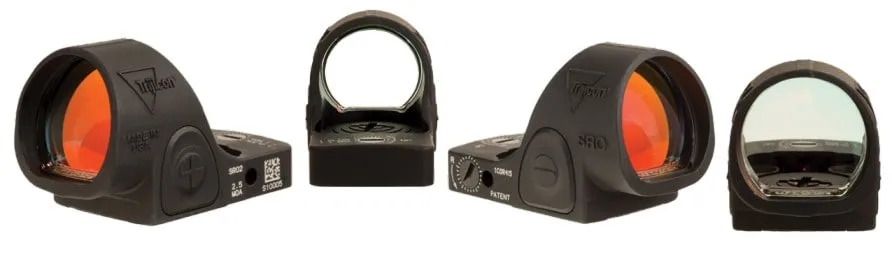
The 31mm lens is the practical differentiator. Open-emitter competition sights live and die on how fast you can find the dot on the draw, and glass this wide is doing the same job the Trijicon SRO’s tall window does, just with a different window shape.
Reticle
You choose the reticle at purchase rather than switching between options: a 3 MOA dot on the SOR30300 for a precise point of aim, or an 8 MOA dot on the SOR30800 for a faster sight picture up close. Total elevation and windage adjustment travel is rated at 100 MOA, which is ample room to zero on a variety of pistols.
Fifteen brightness settings cover a wide range of lighting, with two of them night vision compatible. Sig’s MOTAC motion-activated illumination wakes the reticle when it detects movement and puts it to sleep after a period of stillness, so you are not cycling buttons manually between strings.
Operation
Alongside MOTAC, the Max Pro uses the included lens cover to trigger a magnetic shutoff when the cover is on, which preserves battery during storage or transport. Sig claims 20,000 hours of runtime at medium brightness from the CR1632, competitive on paper with the rest of the class.
One trade-off shows up in hands-on reporting. The Professional Gunfighter, reviewing the optic after several weeks of range use, called out that MOTAC has a slight wake-up delay rather than behaving like an instant shake-awake, and listed that as the sight’s main weakness. That reviewer otherwise reported no wear on the housing or lens over the test period. We have not run the optic ourselves and cannot independently confirm either observation.
Reliability standing
Sig Sauer Romeo3 Max Pro (SOR30300 / SOR30800)
Medium confidence based on 11 sources, 8 first-hand.
- Battery
- CR1632: 20,000 hours at medium brightness setting, CR1632 cell
- Warranty
- Forum owners describe planning to contact or contacting SIG for warranty service after early failures (dead unit at ~600 rounds, s4; dot dropout issue, s5); no details found on turnaround time or outcome.
Aggregated from others' first-hand testing, not our own: this standing deliberately reaches past any one shooter's round count. We surface a sourced reputation tier rather than inventing a score the evidence cannot support.
Full reliability data →Mounting
The direct DeltaPoint Pro footprint is the biggest usability upgrade over the original Romeo3 Max. Most optics-ready competition pistols already cut for the DeltaPoint Pro will accept the Max Pro without an adapter plate, and Sig notes it mounts directly to optics-ready P320 pistols. The lower deck height keeps the sight closer to the bore axis than the original Max managed.
The side-mounted battery tray is designed so you can change batteries without removing the sight from the slide or disturbing zero, genuinely useful on a competition optic that has to keep running through a full match day.
Details
Included with your purchase:
- Sig Sauer Romeo3 Max Pro sight
- CR1632 battery (installed)
- Lens cover with magnetic shutoff
- Mounting hardware
- Owner’s manual
Warranty
Sig covers its electro-optics under the Infinite Guarantee, a limited lifetime warranty on the housing that repairs or replaces the product if it becomes damaged or defective. Electronic components fall under a separate 5-year limited warranty from the date of manufacture rather than the lifetime housing coverage. On an optic whose reputation questions center on electronics rather than the housing, that split is worth reading before you buy.
Warranty standing
Sig Sauer warranty
Lifetime housing, 5-yr electronics, transferable
- Housing
- Lifetime
- Electronics
- 5 yrs
- Transferable
- Yes
- Receipt required
- No
- Registration
- No
- Support
- active
Warranty applies to COMMERCIAL customers only and does NOT apply to government, military, law enforcement, or non-US customers (verbatim from the official operator's manual). Non-US commercial customers must purchase through an authorized SIG SAUER dealer within their country of residence for the warranty to apply.
Third-Party Feedback
The NRA Shooting Sports USA review cited above praised the distortion-free 31mm aspheric glass and the side-mounted battery tray that preserves zero during a swap, concluding it was a solid choice for competitive shooters and enthusiasts. That review did not include stress testing or long-term durability data.
The Professional Gunfighter’s hands-on review, based on several weeks of range use, was similarly positive on the sight picture and reported no housing or lens wear, with the MOTAC wake delay as its one criticism.
Both are individual reviewer accounts rather than controlled testing, and neither addresses the market withdrawal. We are not aware of a published durability test of this optic from an independent outlet, and that gap is itself worth noting: the class benchmarks have years of accumulated round-count reporting behind them and the Max Pro does not.
Pros & Cons
Pros
- Direct DeltaPoint Pro footprint mounting, no adapter plate needed on slides already cut for it
- Large 31mm aspheric lens gives a genuinely wide competition sight picture for a pistol dot
- Lightweight aircraft-grade aluminum body at 1.1 oz
- MOTAC motion-activated illumination, plus a magnetic shutoff triggered by the included lens cover
- Choice of a 3 MOA or 8 MOA dot across 15 brightness settings, two of them night vision compatible
- Side-mounted battery tray is designed to allow battery swaps without removing the optic or losing zero
- Low deck height lets it co-witness with suppressor-height iron sights
Cons
- The original production run left the market, and Sig brought the optic back under a different name after a revision, so buying history matters more here than on most optics
- Sig has not published a public explanation of what changed between the first run and the relaunched version, which leaves buyers guessing
- The Max Michel collaboration branding that the sight was launched on is gone from the current version
- Premium launch price for an open reflex pistol sight, and the electronics carry only a 5-year warranty despite the lifetime housing guarantee
Conclusion
The Sig Sauer Romeo3 Max Pro has the feature set of a genuinely competitive open reflex pistol sight: a direct DeltaPoint Pro footprint, a wide 31mm lens, a light body, motion-activated illumination, and a battery tray built for fast mid-match swaps. Named reviewers who have shot it liked it.
Where it falls short of an easy recommendation is the paper trail. An optic that left the market after its first run and returned under a new name, with no public explanation from the manufacturer, asks a buyer to take more on faith than a competition sight at this price should. Buy new from a legitimate retailer and you are getting the current version. Buy used and you are guessing. If that ambiguity bothers you, the alternates below carry longer and better documented records.
Alternative Sight Options
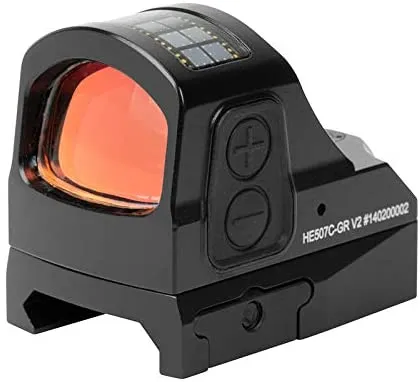
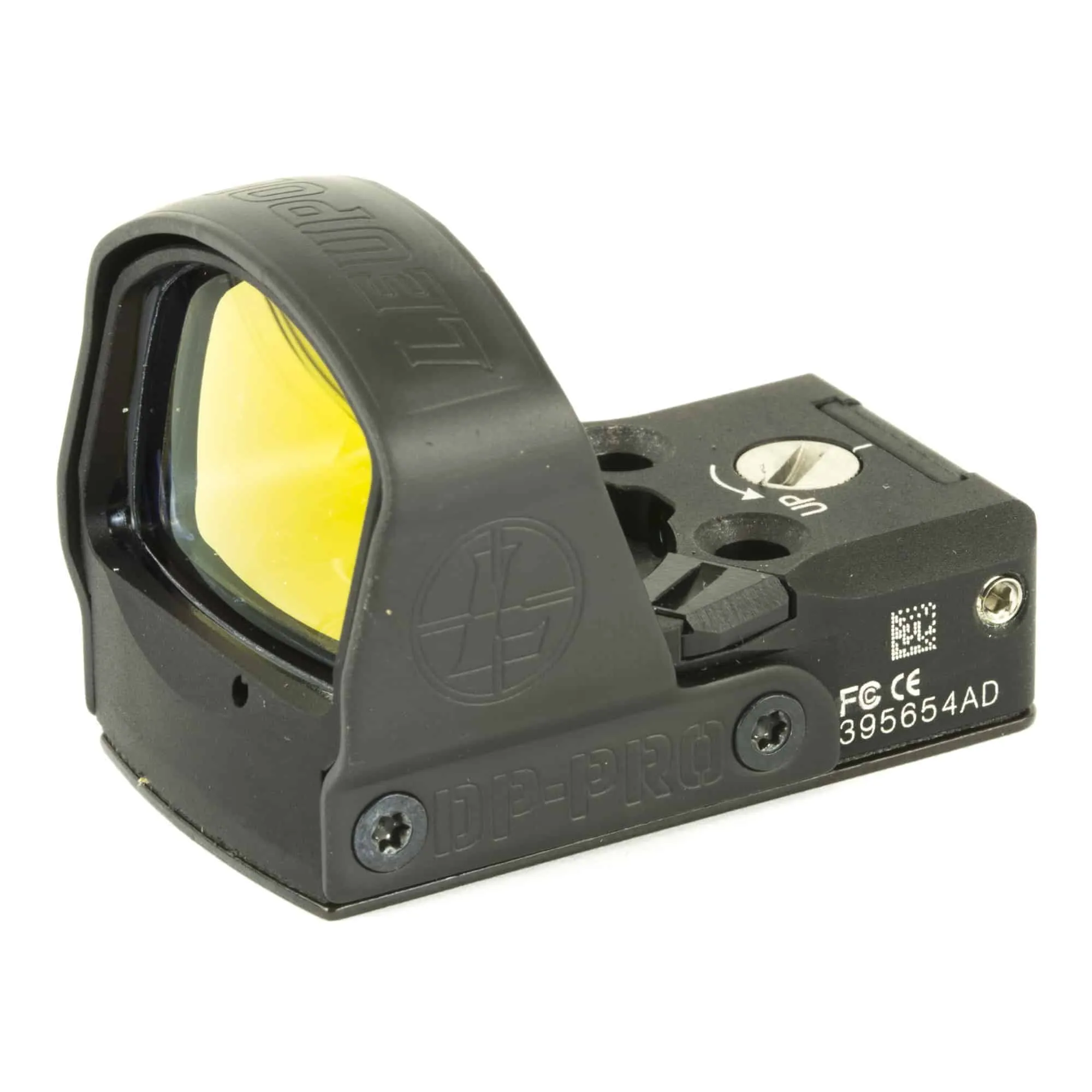
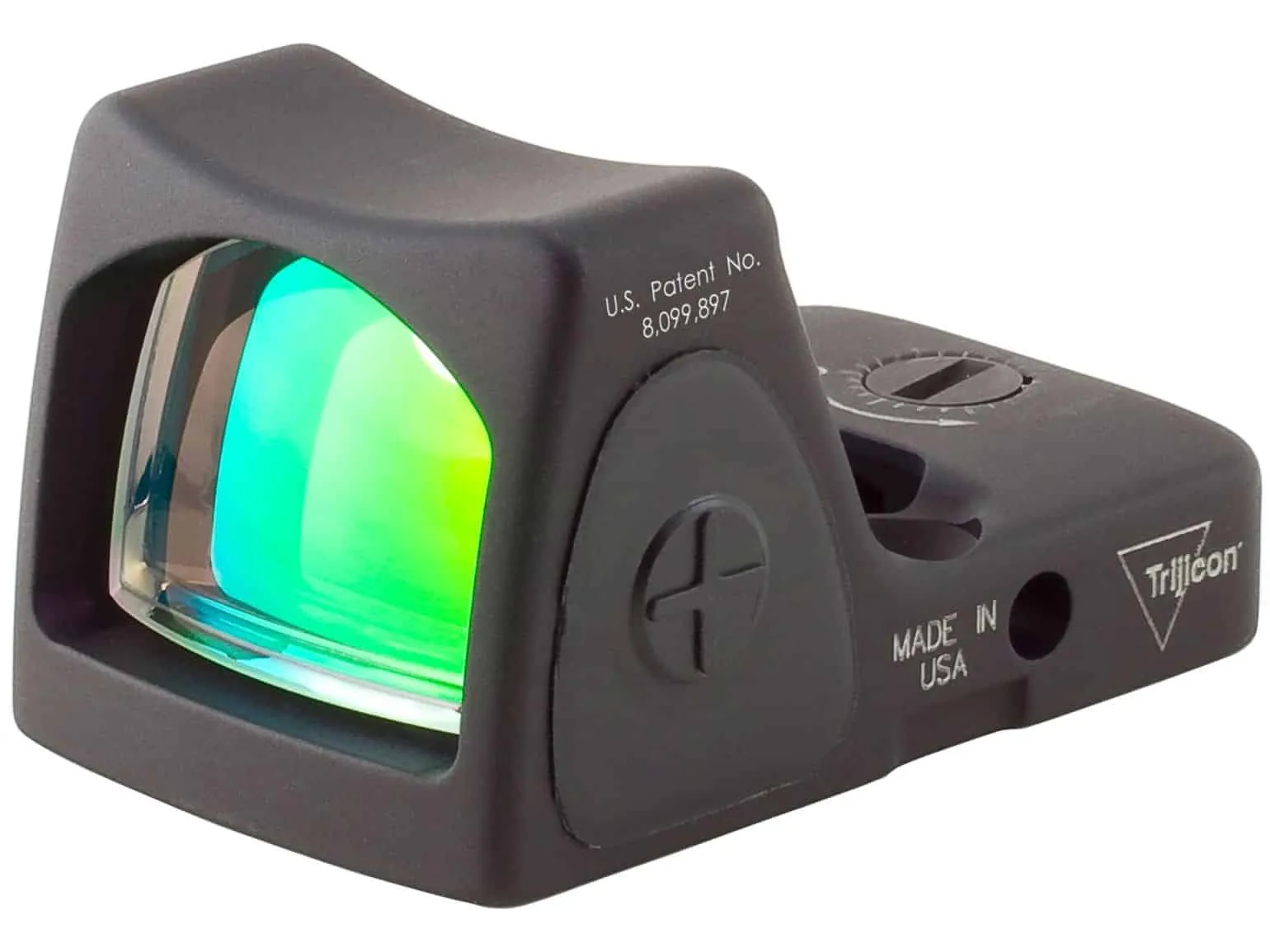
The Leupold DeltaPoint Pro is the most direct swap available: it defined the footprint the Max Pro uses, so it drops onto the same slide cut with no mounting changes, and it has a far longer field record in the same competition space. The Trijicon SRO is the other obvious competition-lane choice, an open reflex with an oversized round window built for exactly this use, though it needs an RMR-pattern cut rather than a DeltaPoint Pro one. For a similar large-window open reflex at a lower price, the Holosun 507C offers a multi-reticle system and solar backup, again on the RMR footprint. And the Trijicon RMR remains the open-emitter durability benchmark the whole category gets measured against, trading window size for a track record nothing else in the class matches.