Looking for RMR-level durability on a pistol too slim for the full-size RMR? The Trijicon RMRcc takes the design principles behind Trijicon’s flagship reflex sight and reworks them into a housing built specifically for the concealed-carry pistols that have taken over the market in the last decade, guns like the Glock 43X MOS, Sig Sauer P365 XL, and Springfield Hellcat.
In this review we cover the RMRcc’s design, reticle, operation, and mounting, then walk through what independent testers and owners have to say about it, including the one scenario where it did not fully hold up. We close with an honest read on where the RMRcc fits in your kit.
Trijicon RMRcc Review
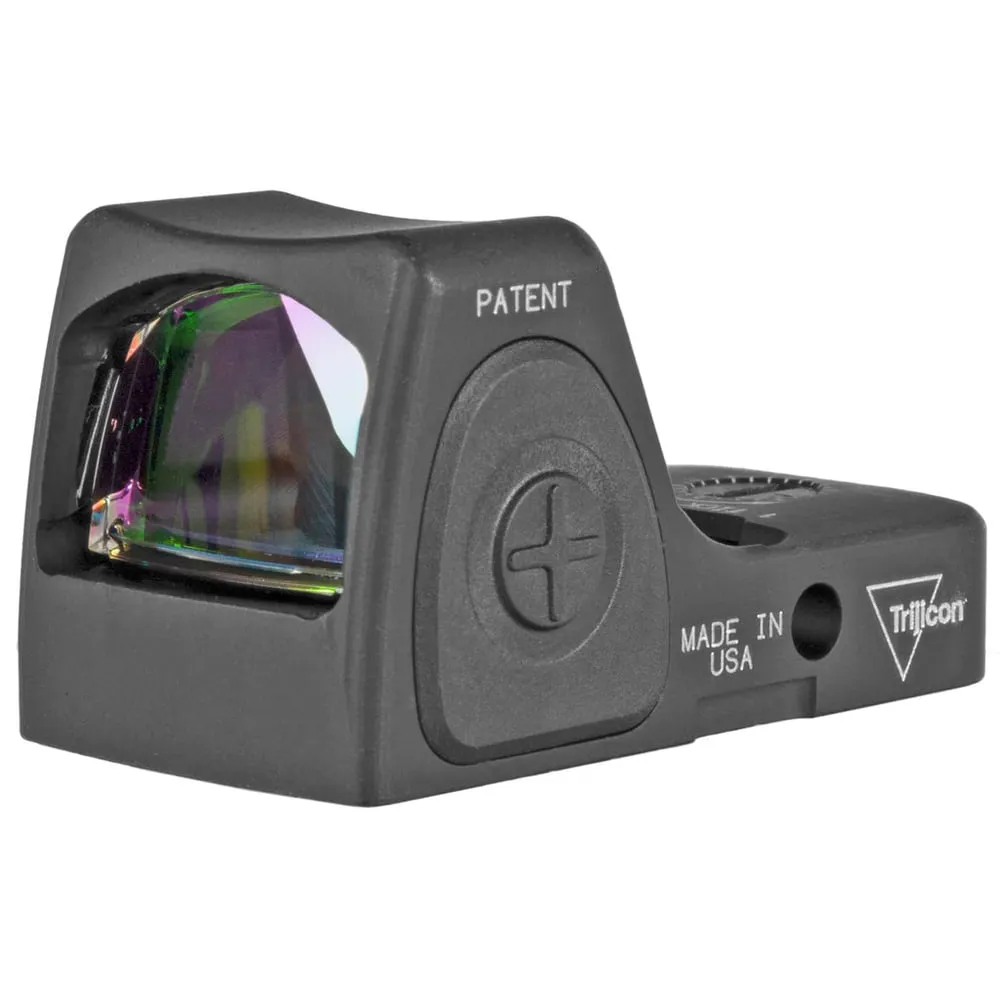
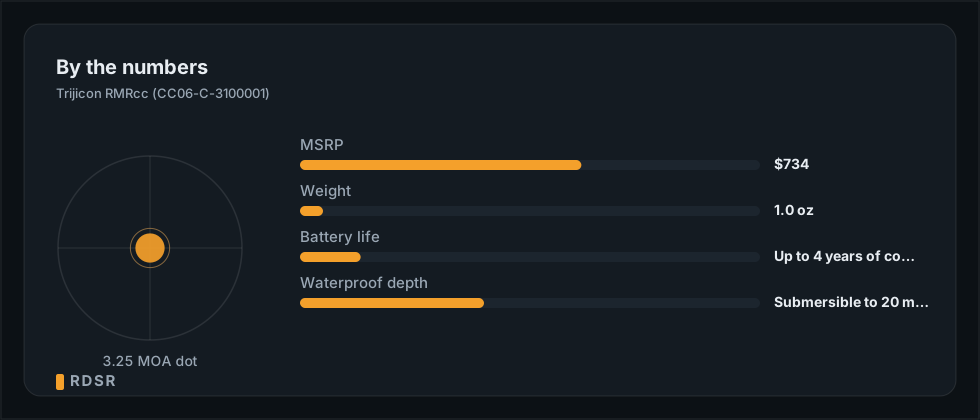
The Trijicon RMRcc (CC06-C-3100001) is an open-emitter reflex sight measuring 1.8 x 0.95 x 0.97 inches and weighing about 1.0 oz. It runs a single 3.25 Minute of Angle (MOA) red dot from one A 3-volt lithium coin cell, 20mm across, and the most common red dot battery (about 210 to 240 mAh). Stocked almost everywhere, so a field swap is easy.Full comparison → lithium coin battery, rated for up to 4 years of continuous use at setting 4 of the sight’s 8 brightness levels. Adjustments move point of impact roughly 3 MOA per click across 150 MOA of total travel. The housing is submersible to 20 meters (66 feet), and Trijicon lists MSRP at $734, though street prices typically run well below that.
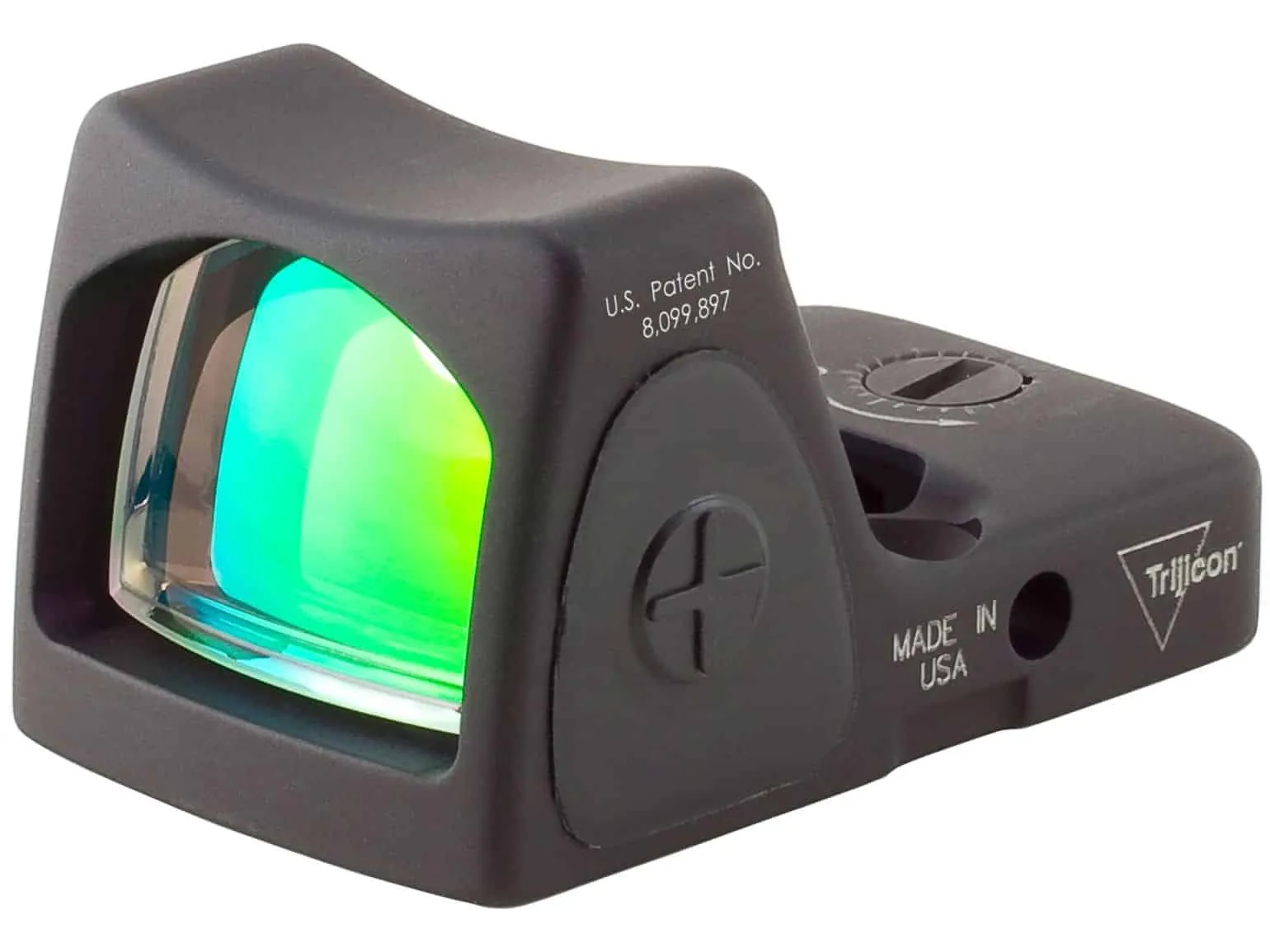
Trijicon built its name on the full-size RMR, one of the most widely adopted pistol red dots in duty and competition circles. The RMRcc (the “cc” stands for concealed carry) exists because that full-size RMR footprint is simply too tall and too wide for the slim, single-stack-adjacent pistols that dominate the concealed-carry market. The RMRcc shrinks the housing and lowers the profile while keeping the same A high-strength aerospace aluminum alloy (yield about 503 MPa / 73 ksi, roughly 1.8x that of 6061-T6) for only a few percent more weight. The go-to for duty and hard-use pistol optics, often forged.Full comparison → forged aluminum construction and the same design philosophy that made the RMR a category leader.
Top Features of the Trijicon RMRcc
Design
The defining design goal of the RMRcc is thinness. Trijicon cut the width and height down from the full-size RMR to create a housing that rides low and narrow enough to disappear inside a holster built for a slim carry pistol, without the snag risk a taller optic creates during the draw. The trade-off for that compact footprint is a viewing window smaller than the full-size RMR’s, though owners who have run both report that it does not meaningfully slow down finding the dot once you are used to the sight.
The housing itself is forged from 7075-T6 aluminum, the same grade Trijicon uses on the full-size RMR, and independent torture testing backs up that construction. In one dedicated test, the RMRcc held zero through a five-minute water submersion, survived fifteen reps of one-handed slide-racking against a barricade across two magazines with virtually no damage, and shrugged off mallet strikes to the front and rear of the housing with no zero shift. A concrete drop test produced only slight cosmetic housing damage with no initial zero loss.
The one scenario that did move the needle: two shoulder-height drops onto concrete produced a zero shift of roughly a magazine’s width at distance, even though the glass did not fracture and the frame did not chip. Dot brightness stayed consistent through every scenario tested. That single result is the honest caveat on an otherwise strong showing, and it is worth keeping in mind if you expect your carry optic to survive a hard fall onto pavement without any zero check afterward.
Reticle
The RMRcc runs a single 3.25 MOA red dot (a 6.5 MOA version, the CC07, is also available for shooters who prioritize fast acquisition over precision). Owner reviews describe the dot as bright and crisp despite the smaller housing, aided by the same blue notch filter Trijicon uses on the full-size RMR to help the dot stand out against a bright background.
Eight brightness settings, six for daylight and two compatible with night vision devices, plus an automatic mode, cover the range from a sunny range day to a dark room under NODs. In cold-weather testing down to 19°F, one reviewer noted lens fogging occurred, though the dot itself remained visible on the fourth-highest brightness setting throughout.
Operation
The RMRcc uses the same style of ”+” and ”-” buttons on the housing that Trijicon uses across the RMR line, letting you cycle brightness manually or leave the sight in automatic mode to adjust for ambient light. Windage and elevation adjustments move the point of impact about 3 MOA per click, verified in a dedicated “shoot the square” adjustment test where each click reliably tracked to that value.
Battery access is the one operational wrinkle. The CR2032 sits in a tray on the bottom of the optic, which means swapping the battery requires removing the sight from the pistol entirely and re-zeroing after reinstalling it. Owners generally accept this trade-off given the multi-year battery life, but it is a real difference from sights with a side-loading tray that lets you change the battery without touching the mount.
Reliability standing
Trijicon RMRcc (CC06-C-3100001)
Medium confidence based on 3 sources, 3 first-hand.
- Battery
- CR2032: Up to 4 years at the bottom half of 8 brightness settings
What those tests were
- 5 minute water submersion: pass . Zero held after submersion; no water intrusion or malfunction noted.
- One handed slide racking against barricade (15 reps, two magazines): pass . "Virtually no damage" and no zero shift after repeated forceful racking.
- Concrete drop test: pass with caveat . Slight cosmetic housing damage, no initial zero loss.
- Two shoulder height drops onto concrete: partial . Zero shifted roughly "a magazine's width" at distance after the drops; no glass fractures or frame chipping, dot brightness stayed consistent.
- Mallet strikes to housing (front and rear): pass . Repeated mallet strikes produced no zero shift.
- "Shoot the square" adjustment test: pass . Each click reliably moved point of impact approximately 3 MOA.
- Cold weather test (19°F): mixed . Lens fogging occurred, but the dot remained visible on the fourth-highest brightness setting.
- Group violent slide racking against wooden fence posts (~10 15 min, ~12 shooters): pass . No damage or zero deviation observed across the group.
Aggregated from others' first-hand testing, not our own: this standing deliberately reaches past any one shooter's round count. We surface a sourced reputation tier rather than inventing a score the evidence cannot support.
Full reliability data →Mounting
This is the RMRcc’s biggest planning consideration. It uses its own proprietary RMRcc footprint, which is not interchangeable with the standard RMR footprint, the RMSc footprint, or Holosun’s footprint. If your pistol’s slide is already cut for the full-size RMR, the RMRcc will not drop in without an adapter plate, and in many cases you are looking at dedicated slide milling matched to the RMRcc cut specifically.
On the plus side, aftermarket slide millers offer RMRcc-pattern cuts for popular carry pistols like the Sig P365 family, so fitting one is a well-trodden path even without a factory-native cut. Trijicon also sells dovetail mounts for guns like the Walther PPS and Kimber Micro 9, and adapter plates for Glock MOS slides, including a dedicated plate for the Glock 43X/48 MOS. In a group test where roughly a dozen shooters performed violent slide-racking against wooden fence posts for ten to fifteen minutes, the mounted RMRcc units showed no damage or zero deviation across the group, a reasonable proxy for how the footprint holds up under repeated recoil once properly fitted.
Details
Included with your purchase:
- Trijicon RMRcc sight
- CR2032 battery (installed)
- Sealing plate (for use when the optic is removed from a milled slide)
- Adjustment tool
- Lens cloth
- Instruction manual
Mounting hardware and plates are typically sold separately based on the specific pistol and slide cut.
Warranty
Trijicon backs the RMRcc with a limited lifetime warranty on the housing and optical components against defects in materials and workmanship, with electronic components covered separately under a shorter multi-year warranty from the date of purchase. Registering the optic with Trijicon after purchase is recommended to streamline any warranty claim.
Warranty standing
Trijicon warranty
Lifetime housing, 5-yr electronics, non-transferable
- Housing
- Lifetime
- Electronics
- 5 yrs
- Transferable
- No
- Receipt required
- Unstated
- Registration
- Unstated
- Support
- active
Customer Feedback
Owners and reviewers who have run the RMRcc for extended periods report it performing close to the full-size RMR in day-to-day use, with one long-term owner reporting no reliability issues after roughly 8,000 rounds. The most consistent praise centers on the bright, easy-to-pick-up dot and the housing’s ability to take a beating without shifting zero.
Durability: Reviewers who put the RMRcc through deliberate abuse, including water submersion, forceful slide-racking, and mallet strikes, came away impressed that it held zero through nearly every scenario tested.
Battery access: The most common practical complaint is that swapping the CR2032 means pulling the optic off the gun and re-zeroing afterward, since the tray sits underneath the sight rather than on the side.
Sight picture: The RMRcc’s window is noticeably smaller than the full-size RMR’s, but owners who have carried both report the smaller window does not meaningfully slow down acquiring the dot once you are used to the sight.
Footprint: Buyers researching the RMRcc consistently flag the proprietary footprint as the thing to plan around before buying, since it limits off-the-shelf mounting options compared to the standard RMR cut.
Pros & Cons
Pros
- Purpose-built thin housing designed to disappear on slim carry pistols like the Glock 43X/48 MOS, Sig P365 XL, and Springfield Hellcat
- 7075-T6 forged aluminum housing shrugs off mallet strikes, forceful slide-racking, and submersion without losing zero, per independent torture testing
- Bright, crisp 3.25 MOA dot that owner reviews consistently praise despite the compact housing
- Long CR2032 battery life rated up to 4 years on a mid brightness setting
- 8 brightness settings plus automatic mode cover daylight glare down to night vision use
Cons
- Proprietary RMRcc footprint is not compatible with the standard RMR or RMSc cut, so mounting options are more limited and often require dedicated slide milling
- Battery sits under the optic body, so replacing it means removing the sight and re-zeroing afterward
- Premium price close to the full-size RMR despite the smaller size
- Shoulder-height drops onto concrete produced a measurable zero shift in independent testing, the one durability scenario where the RMRcc did not fully hold
Conclusion
The Trijicon RMRcc delivers on its core promise: RMR-grade construction and a reliable, bright dot shrunk down to fit the slim concealed-carry pistols that a full-size RMR simply cannot mount to. Every independent torture test we found reports it holding zero through water, forceful slide-racking, and mallet strikes, with only cosmetic damage from a straight concrete drop. The one real durability caveat is that shoulder-height drops onto concrete did shift zero in testing, so it is not entirely immune to hard impacts.
Plan around the proprietary footprint and the under-optic battery tray, and the RMRcc is a strong choice for a defensive or everyday-carry pistol optic from a brand with a long track record in the category.
Alternative Sight Options
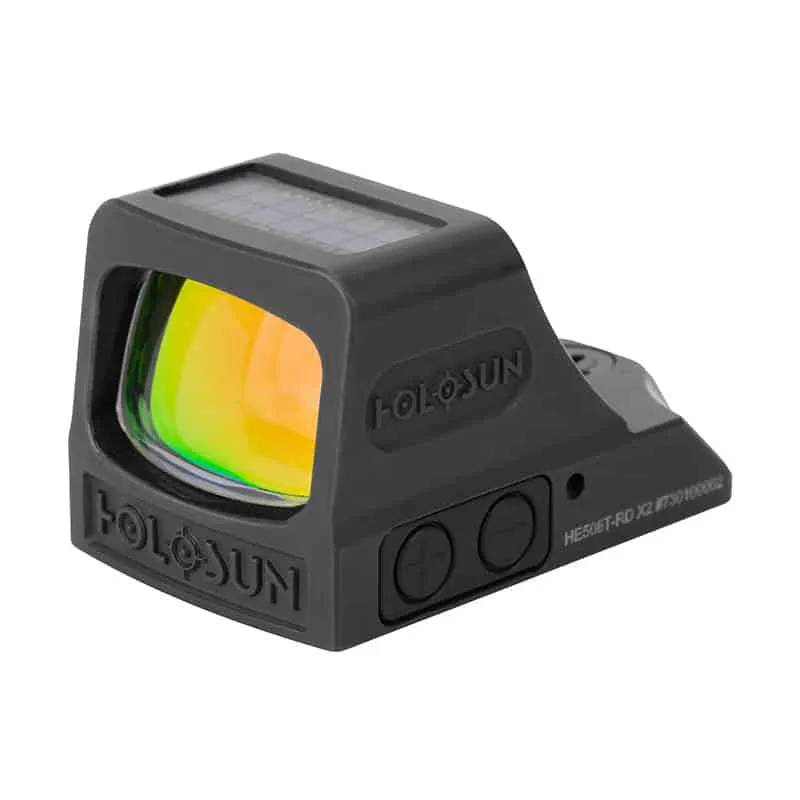
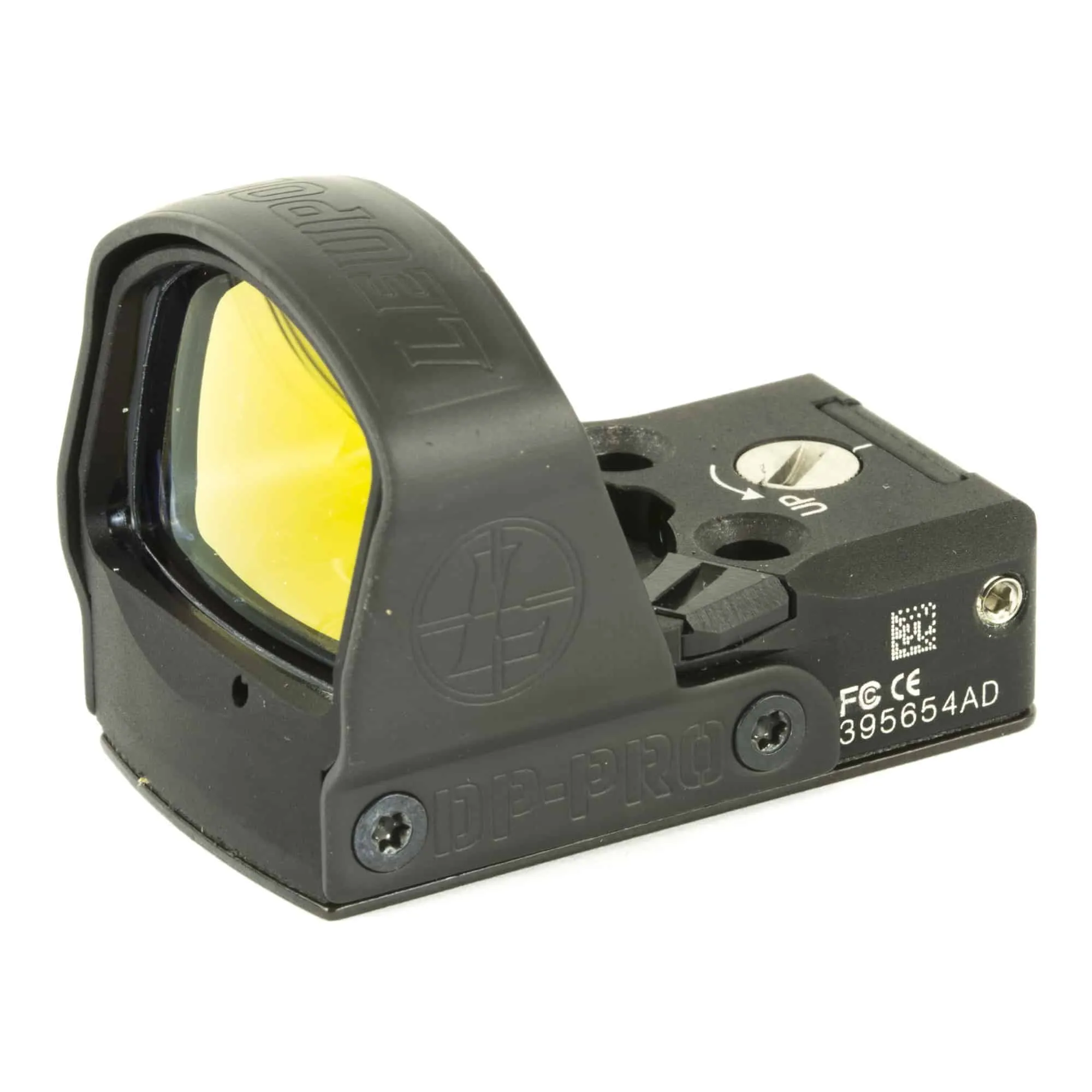
If your pistol’s slide is already cut for the standard RMR footprint, or you simply want the wider mounting compatibility that comes with it, the full-size Trijicon RMR remains the benchmark open-emitter reflex sight in this class and shares the same rugged construction philosophy. Shooters who want a A premium housing metal that is stronger than either aluminum grade and effectively corrosion-proof, with excellent strength-for-weight. Found on high-end enclosed optics like the Holosun 508T and 509T.Full comparison → housing on that same RMR footprint should look at the Holosun HE508T, and buyers who want a larger window while staying in the open-emitter category across pistol, shotgun, carbine, and rifle platforms should consider the Leupold DeltaPoint Pro. All three are open-emitter reflex sights like the RMRcc, so the comparison is apples to apples on form factor, even where the mounting footprint differs.