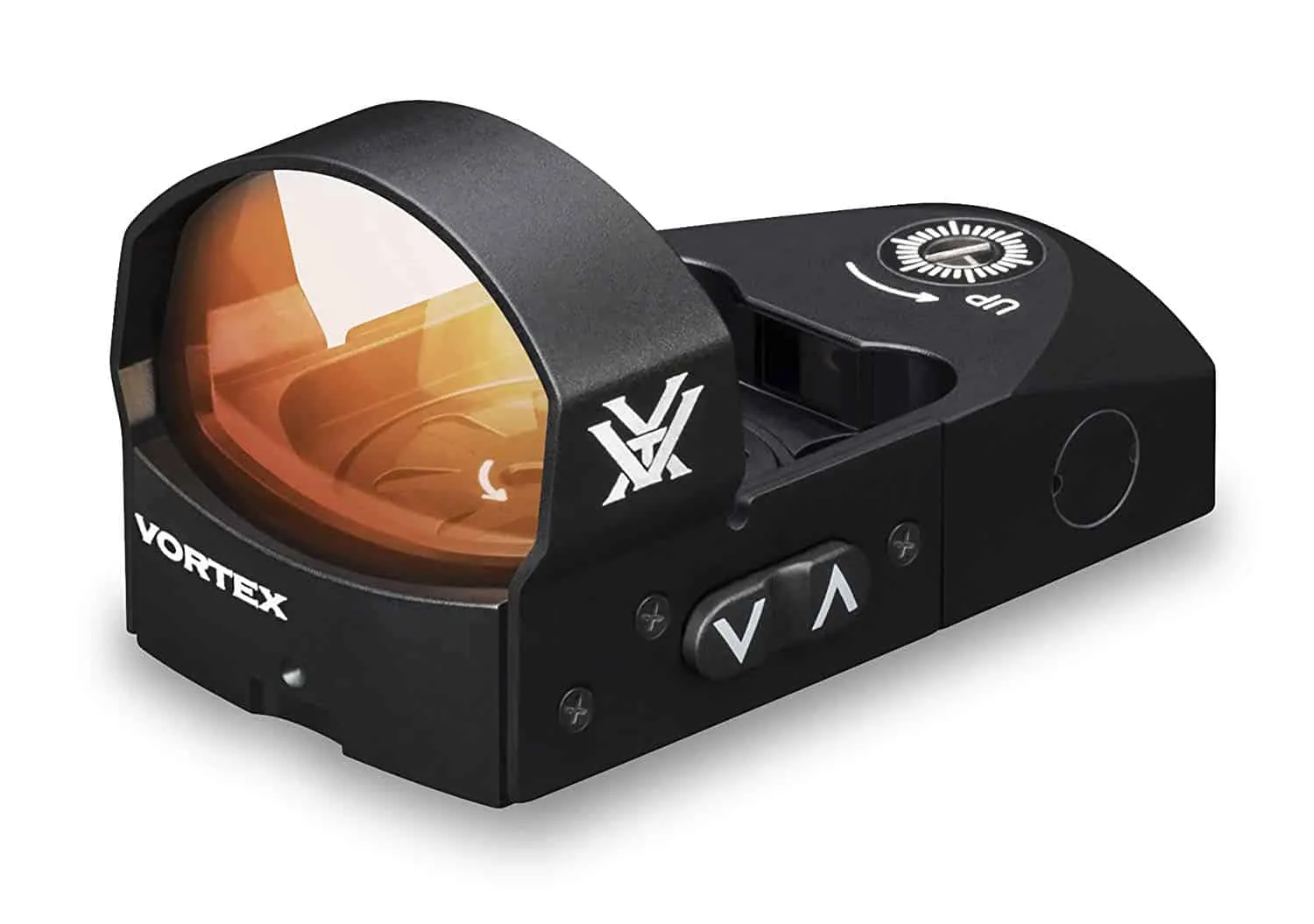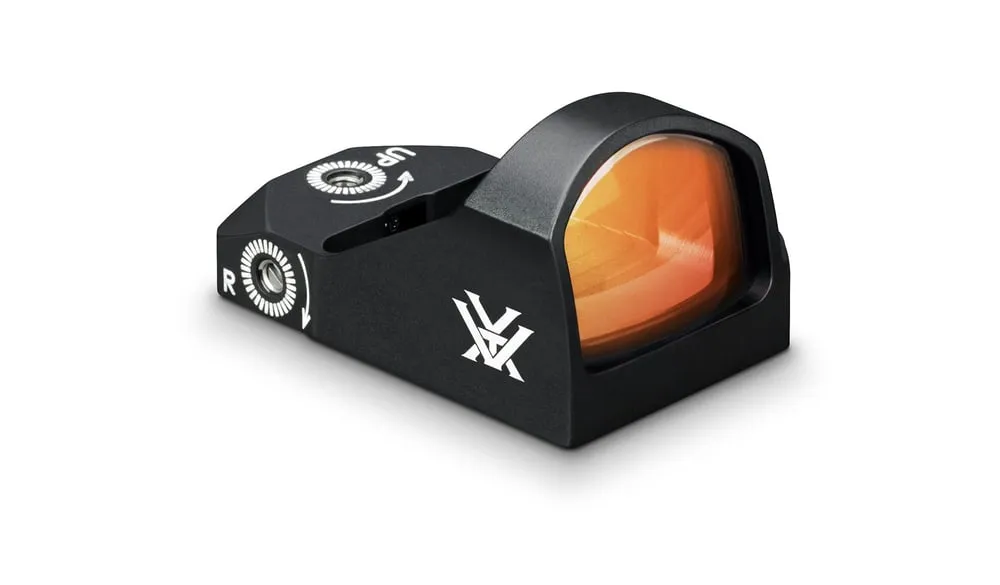
Looking for a red dot that all but disappears on top of a cutout slide? In this review of the Vortex Viper Red Dot, we cover the specs, the features, and what shooters are saying about this compact pistol reflex sight. The VRD-6 (6 MOA) is Vortex’s answer to the trend toward low-riding, suppressor-height-compatible optics for slide-milled handguns.
We will walk through the design, the dot, how it operates, and how it mounts. We will also cover the documented durability picture, including a couple of real complaints worth knowing about before you buy, then close with an honest recommendation.
Vortex Viper Red Dot Review
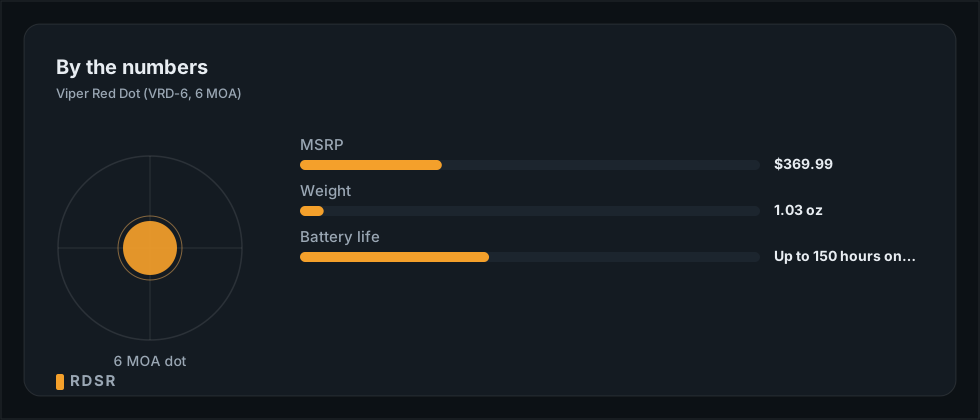
The Vortex Viper Red Dot is an open reflex sight measuring 1.8 inches in length and weighing just 1.03 oz, one of the lightest options in its class. It runs a single 6 Minute of Angle (MOA) red dot from a A 3-volt lithium coin cell, 20mm across, and the most common red dot battery (about 210 to 240 mAh). Stocked almost everywhere, so a field swap is easy.Full comparison → battery, with Vortex claiming up to 150 hours of runtime on the highest brightness setting and up to 30,000 hours on the lowest. The housing is rated An optic's Ingress Protection (IP) code from IEC 60529: the first digit rates dust (0 to 6), the second rates water (0 to 8). A digit shown as X was simply not tested.Full comparison → and shockproof with O-ring seals, and the lens carries Vortex’s ArmorTek scratch-resistant coating. Vortex lists the MSRP at $369.99, but street pricing runs far below that: on August 10, 2026 the black VRD-6 was $159.70 on Amazon.
Vortex built the VRD-6 specifically for handguns with cutout slides, aiming for the lowest mounting height the company could manage so the dot co-witnesses with suppressor-height iron sights. That focus on size and weight is the whole reason this sight exists, and it is the main thing that sets it apart from Vortex’s own Venom in the lineup.
Top Features of the Vortex Viper Red Dot
Design
The VRD-6 is built around a single-piece housing finished in a low-glare matte anodized coat, and the entire package weighs only 1.03 oz. That is light even by the standards of micro pistol reflex sights, and it keeps the sight from adding noticeable weight or bulk to a carry or range gun.
The housing carries a waterproof and shockproof rating through O-ring sealed construction, and Vortex applies its ArmorTek coating to the exterior lens surfaces to resist scratches, oil, and dirt. Vortex has not published a formal IP-rated waterproof figure for this sight, so treat “waterproof” as a general durability claim rather than a specific immersion spec.
Reticle
The Viper runs a single 6 MOA red dot, a size chosen for fast acquisition at pistol distances rather than fine precision work. Windage and elevation adjust in 1 MOA clicks, with a maximum adjustment range of 120 MOA in each direction, and the sight is parallax free with unlimited eye relief.
Unlike the Vortex Venom, which is offered in both 3 MOA and 6 MOA versions, the Viper VRD-6 ships in the single 6 MOA configuration only.
Operation
The Viper uses two illumination buttons on the housing: the forward button steps brightness up, the rearward button steps it down. Vortex’s own spec sheet does not publish a count of brightness levels, so treat any specific number you see quoted online with caution. What Vortex does confirm is the runtime: up to 150 hours at the highest setting and up to 30,000 hours at the lowest, from a single CR2032 cell, with a 14-hour auto-shutoff to protect the battery if the sight gets left on.
That long low-setting runtime is the same headline figure Vortex uses across several of its pistol dots, and it is a big part of the “leave it on and forget it” pitch for a carry optic. Worth knowing before you buy: the battery compartment is bottom-loading with no separate cap to tighten down, which is a different design than the top-load tray on the Venom. Vortex’s own troubleshooting documentation acknowledges that this can allow the battery to work loose if the optic shifts under recoil on certain pistol slide mounts, a failure mode corroborated by at least one owner report online describing intermittent dot cutout during a heavy range day.
Reliability standing
Vortex Viper Red Dot (VRD-6, 6 MOA)
Low confidence based on 9 sources, 6 first-hand.
- Battery
- CR2032: Up to 150 hours on highest setting, up to 30,000 hours on lower settings (CR2032)
- Warranty
- Unlimited, unconditional lifetime VIP warranty per manufacturer. General sentiment in forum discussion was that Vortex customer service is responsive when problems occur.
What those test was
- Zero retention, rimfire pistol: pass . A few hundred rounds plus one NSSF Lonestar Rimfire Challenge match day on a Volquartsen Scorpion .22LR pistol (the actual VRD-6 pistol dot); sight worked and held zero throughout.
Aggregated from others' first-hand testing, not our own: this standing deliberately reaches past any one shooter's round count. We surface a sourced reputation tier rather than inventing a score the evidence cannot support.
Full reliability data →Mounting
The Viper ships with a Weaver/Picatinny mount, along with a T-10 Torx wrench, flathead wrench, lens cloth, and protective cover. For Glock MOS and similar milled-slide setups, owners have reported a QC friction point at installation: the stock Vortex and Glock screws did not fit properly, requiring the MOS plate’s locating pins to be filed down and special M3x7mm screws sourced separately to get a proper fit. That is an annoyance worth planning for rather than a sight-killer, but it is not a plug-and-play experience for everyone.
The low mounting height is the sight’s core selling point. It is built to sit low enough on a cutout slide to co-witness with suppressor-height iron sights, which is the main reason a shooter would choose the Viper over a taller, more traditional reflex sight.
Details
Included with your purchase:
- Vortex Viper Red Dot (VRD-6)
- Weaver/Picatinny mount
- CR2032 battery
- T-10 Torx wrench
- Flathead wrench
- Lens cloth
- Protective cover
Warranty
The Viper is covered by Vortex’s VIP warranty: unlimited, unconditional, and transferable for the life of the product, with no receipt or original owner required. Forum sentiment on Vortex’s customer service is generally positive, with at least one owner reporting that Vortex handled a battery-life complaint by replacing the unit under warranty.
Warranty standing
Vortex warranty
Lifetime housing, lifetime electronics, transferable
- Housing
- Lifetime
- Electronics
- Lifetime
- Transferable
- Yes
- Receipt required
- No
- Registration
- No
- Support
- active
Customer Feedback
We have not run the VRD-6 ourselves. Everything below is sourced from named third-party testing and from owner reports posted on public forums, and we say which is which.
Independent, hands-on coverage of the VRD-6 specifically (as opposed to Vortex’s separate shotgun-mount Viper) is limited online, so the durability picture for this exact SKU rests on a very small evidence base. Bruce Flemings, writing for GunsAmerica Digest, is the one reviewer we found who tested the actual pistol-mounted VRD-6: he mounted it on a Volquartsen Scorpion .22LR using the included Picatinny mount, shot a few hundred rounds of practice plus a match day at the NSSF Lonestar Rimfire Challenge, and reported the sight worked and held zero throughout with no issues. His main criticism was the 6 MOA dot itself, which he found too coarse for precision work.
Set against that single positive data point are a handful of documented owner complaints worth weighing:
Battery retention under recoil: An AR15.com owner reported the dot cutting out intermittently mid-string on a pistol slide mount during a heavy shooting day, a report that lines up with Vortex’s own troubleshooting page describing the uncapped bottom-load battery tray as vulnerable to working loose under recoil.
Mounting friction on Glock MOS: Forum discussion describes needing to file MOS plate locating pins and source special screws to get a clean fit, an extra step buyers should expect rather than a smooth out-of-box install.
Battery life short of the claim: One owner reported roughly two months of real-world battery life on the lowest setting with daily carry, well short of the 30,000-hour (multi-year) manufacturer figure, though the same owner said Vortex replaced the unit under warranty and the replacement performed better.
A zero-retention complaint you may run across: A commenter on a published review claimed the sight would not hold zero even when locked down. It is a single secondhand account with no supporting detail, and it contradicts the one first-hand VRD-6 test result available, so we would not weight it heavily either way.
Buyers researching this sight online should also be aware that at least two widely cited reviews carrying favorable durability claims (a magnum shotgun recoil test and a battery-life figure of 50,000 hours) are actually testing Vortex’s separate shotgun-mount Viper, a different, enclosed-emitter product, not this VRD-6 pistol reflex sight.
Pros & Cons
Pros
- Ultra-low mounting height built specifically for handguns with cutout slides, allowing co-witness with suppressor-height iron sights
- Extremely lightweight at just 1.03 oz, adding almost no bulk to a pistol slide
- 6 MOA dot sized for fast target acquisition at pistol and close-range distances
- Claimed battery life of up to 150 hours on the highest setting and up to 30,000 hours on the lowest, from a common CR2032 cell
- Waterproof, shockproof, O-ring sealed housing with ArmorTek scratch-resistant lens coating
- Backed by Vortex's unlimited, unconditional lifetime VIP warranty, and owners describe Vortex customer service as responsive when problems come up
Cons
- Bottom-load battery compartment has no battery cap to tighten, which Vortex's own troubleshooting documentation says can let the battery rattle loose if the optic shifts under recoil on some pistol slide mounts
- Owners have reported Glock MOS mounting friction out of the box: stock screws did not fit properly, requiring filed-down locating pins and special M3x7mm screws
- At least one owner reported real-world battery life far short of the 30,000-hour claim on the lowest setting, though Vortex reportedly replaced the unit under warranty
- Hands-on testing specific to this pistol-mounted VRD-6 is thin online, and it is easy to confuse with Vortex's separate shotgun-mount Viper, which is a different, enclosed-emitter product
Conclusion
The Vortex Viper Red Dot delivers exactly what it promises on paper: a very light, very low-profile open reflex sight purpose-built for handguns with cutout slides, backed by an unconditional lifetime warranty. The core specs, the 6 MOA dot, the sub-1.1 oz weight, and the long claimed battery life, all line up with what pistol shooters look for in this category.
The catch is that first-hand durability evidence for this specific pistol-mounted VRD-6 is thinner than we would like, and the evidence that does exist includes a real, mechanically-explained failure mode around the uncapped battery tray plus a documented mounting friction point on Glock MOS setups. We are not calling this an unreliable optic. We are saying the jury is still out on this exact SKU, and buyers who prioritize a deep, proven track record over shaving off every fraction of an ounce should weigh that before buying.
Alternative Sight Options
If the VRD-6’s thin durability record gives you pause but you still want an open reflex pistol dot from Vortex, the Vortex Venom is worth a look. It shares the same open-emitter approach and a similarly compact form factor, but uses a top-load battery tray that avoids the Viper’s uncapped bottom-load design, and it is available in both 3 MOA and 6 MOA dot sizes.
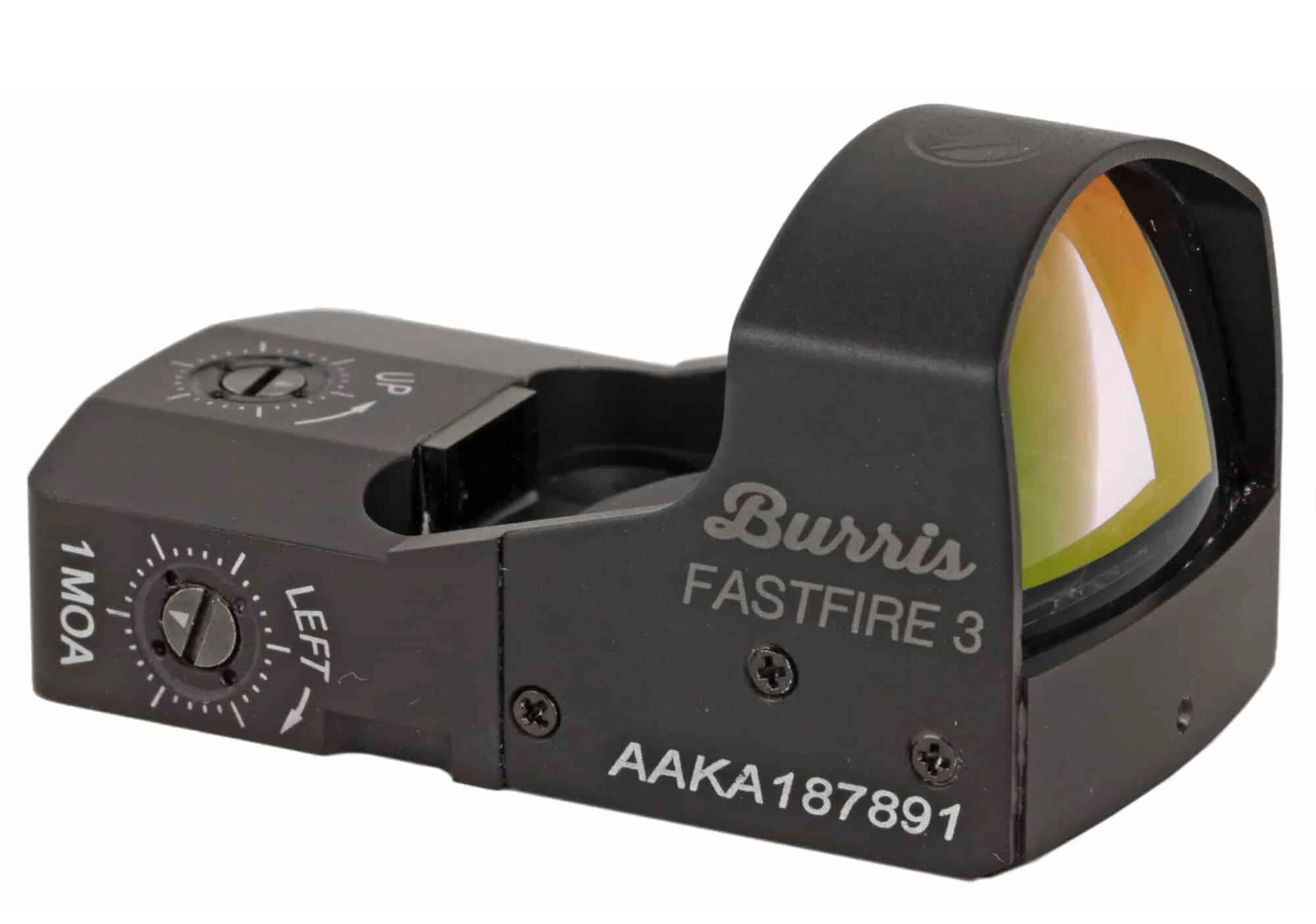
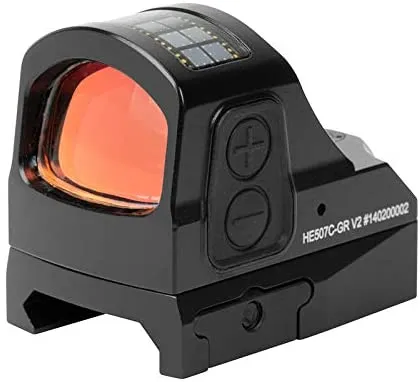
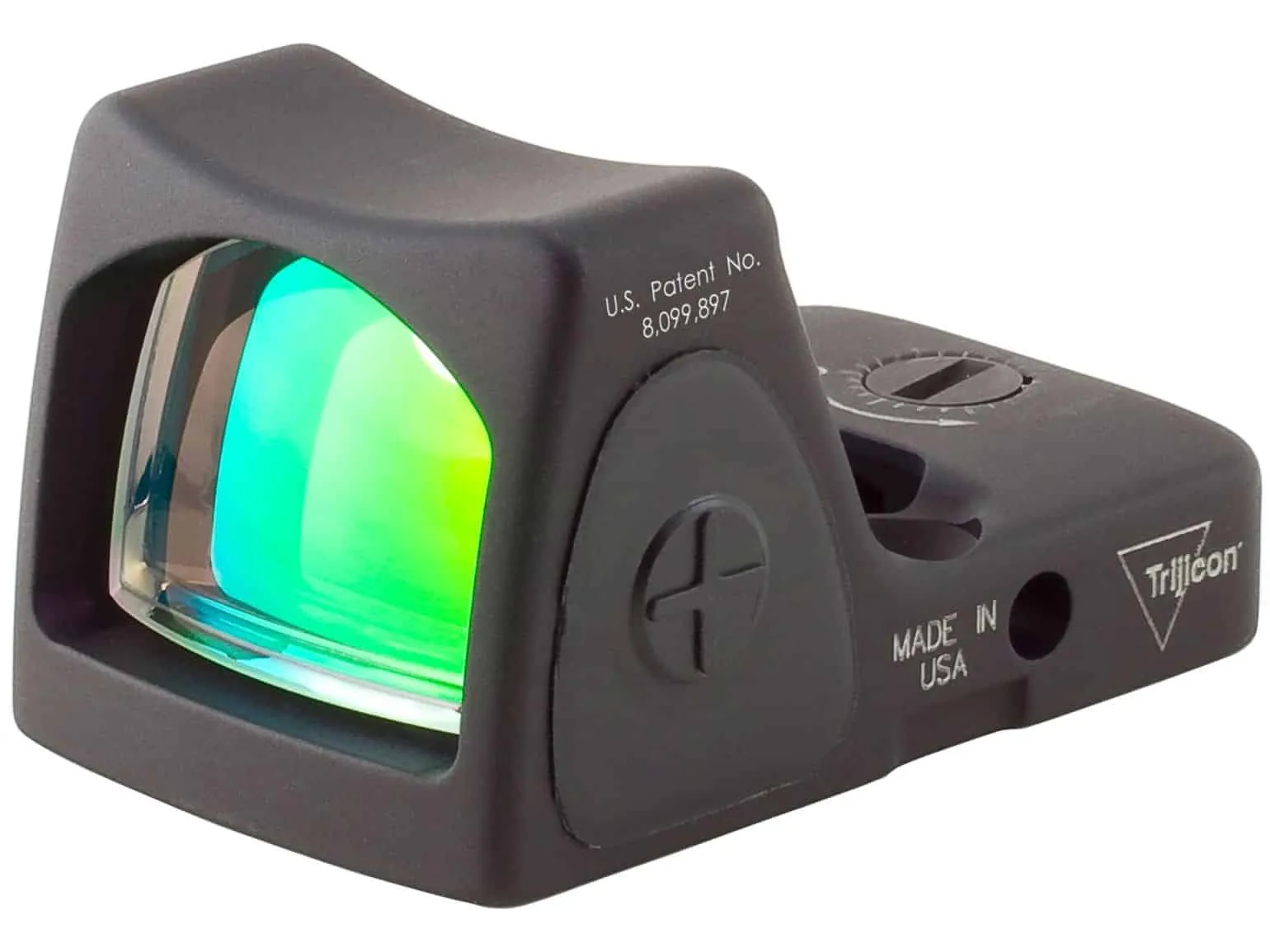
Shoppers who want an open reflex pistol dot with a longer independent testing history should also consider the Trijicon RMR, a long-established duty-grade choice on the RMR footprint, or the Holosun 507C, which adds solar backup power and a wider brightness range at a comparable mid-tier price. Budget-focused buyers can look at the Burris FastFire 3 for a lighter-weight, lower-cost open reflex option. Either way, the VRD-6 earns its spot on size and weight; just go in aware that the reliability track record specific to this pistol variant is still being written.